Subscribe to get the GOLD IRA Blueprint Free E-Book
Birch Gold Group Review: Fees, Minimum Purchase & All 4 Metals
Birch Gold Group was founded in 2003, making it one of the oldest precious metals companies in the United States. The company has operated through two recessions, multiple Fed policy shifts, and significant gold price swings that separate established businesses from opportunistic ones. That track record matters more than most people realize when choosing a company to handle retirement savings.
This review examines Birch Gold's actual operations, cost structure, customer experience data, and where it fits in the competitive landscape of precious metals IRAs. We will give you an honest assessment of whether Birch Gold may be the right company to work with if you have already decided that precious metals belong in your retirement portfolio.
Company Background: The Basics That Matter
Birch Gold Group was founded by Laith Alsarraf, a Canadian entrepreneur who saw an opportunity in helping Americans protect retirement savings through physical precious metals. The company initially operated out of Burbank, California, before relocating to Des Moines, Iowa, a move that likely reduced overhead while keeping the business firmly planted in the American market.
Over two decades, Birch Gold has served more than 30,000 customers. The company employs roughly 58 people and generates estimated annual revenues of $18.9 million. These are not massive numbers compared to Wall Street firms, but they represent consistent, sustainable operation in a niche market.
The company's public profile has received a boost from conservative media endorsements including Ben Shapiro, Ron Paul, Donald Trump Jr., and Steve Bannon, all of whom have promoted Birch Gold at various points. Whether these endorsements matter to you personally depends on your views, but they have undeniably increased brand recognition among certain demographics. Celebrity endorsements are worth noting, but they do not replace independent due diligence.
From a regulatory standpoint, Birch Gold maintains an A+ rating with the Better Business Bureau and a AAA rating from the Business Consumer Alliance. Customer reviews across major platforms remain consistently positive, with ratings ranging from 4.5 to 5 stars depending on the site.
What Birch Gold Actually Does
Birch Gold Group specializes in two main services:
- Self-Directed Precious Metals IRAs: The company helps customers roll over existing retirement accounts, including Traditional IRAs, Roth IRAs, 401(k)s, 403(b)s, and TSPs, into self-directed IRAs that hold physical gold, silver, platinum, or palladium instead of stocks and bonds.
- Direct Precious Metals Purchases: Customers can also buy physical metals for personal ownership outside an IRA, though storage for these purchases is the buyer's responsibility.
The business model centers on hands-on customer support. You won't find a shopping cart on their website or instant checkout buttons. Everything happens through phone consultations with a dedicated specialist who walks you through the process, explains IRS rules, and helps you select appropriate products.
Some people love this approach because it reduces the chance of costly mistakes. Others find it frustrating if they prefer fully digital, self-service platforms. Your tolerance for phone-based transactions will significantly influence your experience here.
| Company | Setup Fee | Annual Fee | 5-Year Total |
|---|
The Product Catalog: What You Can Actually Buy
Birch Gold offers IRS-approved precious metals across four categories:
Gold
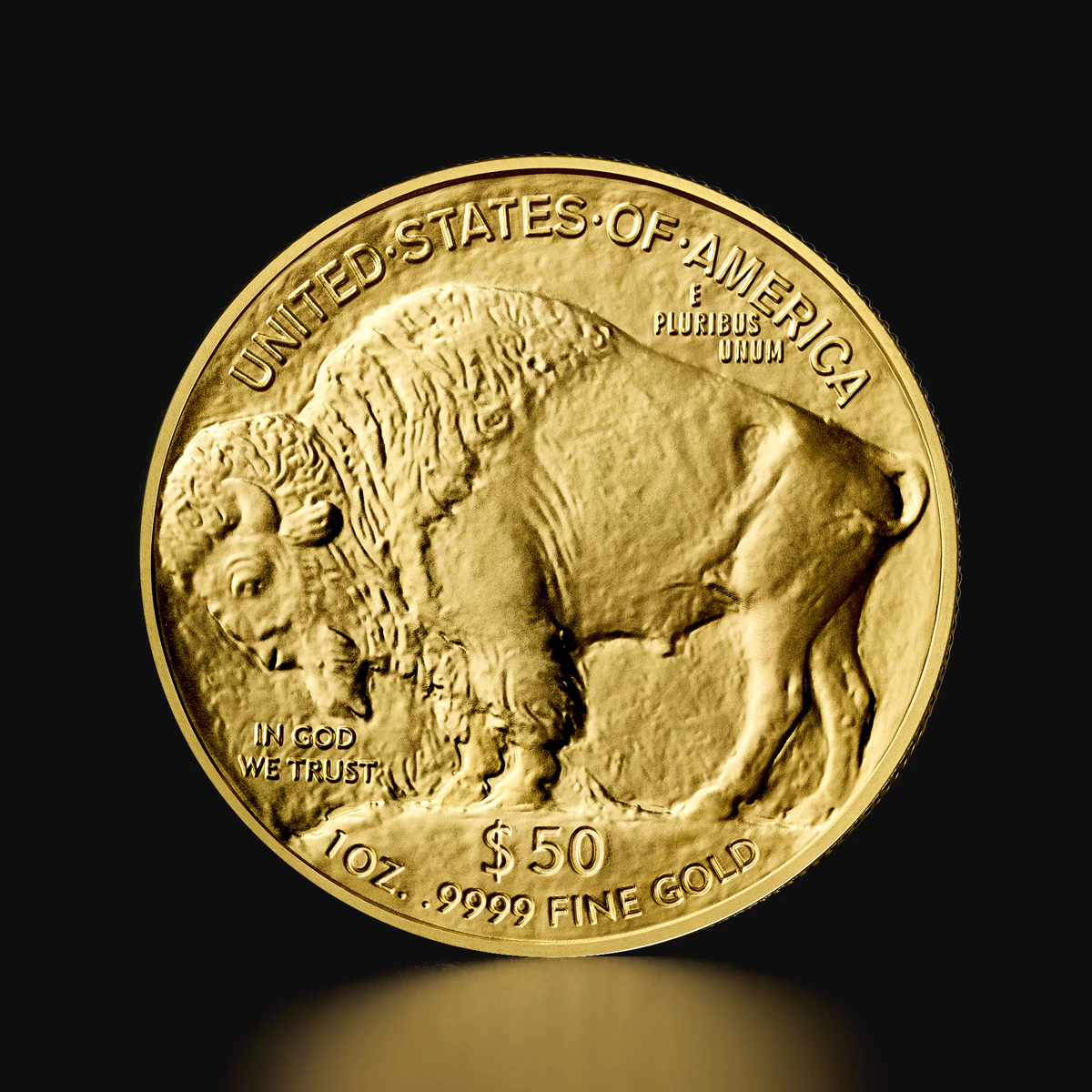
- American Buffalo coins (1 oz, 1/2 oz, 1/4 oz)
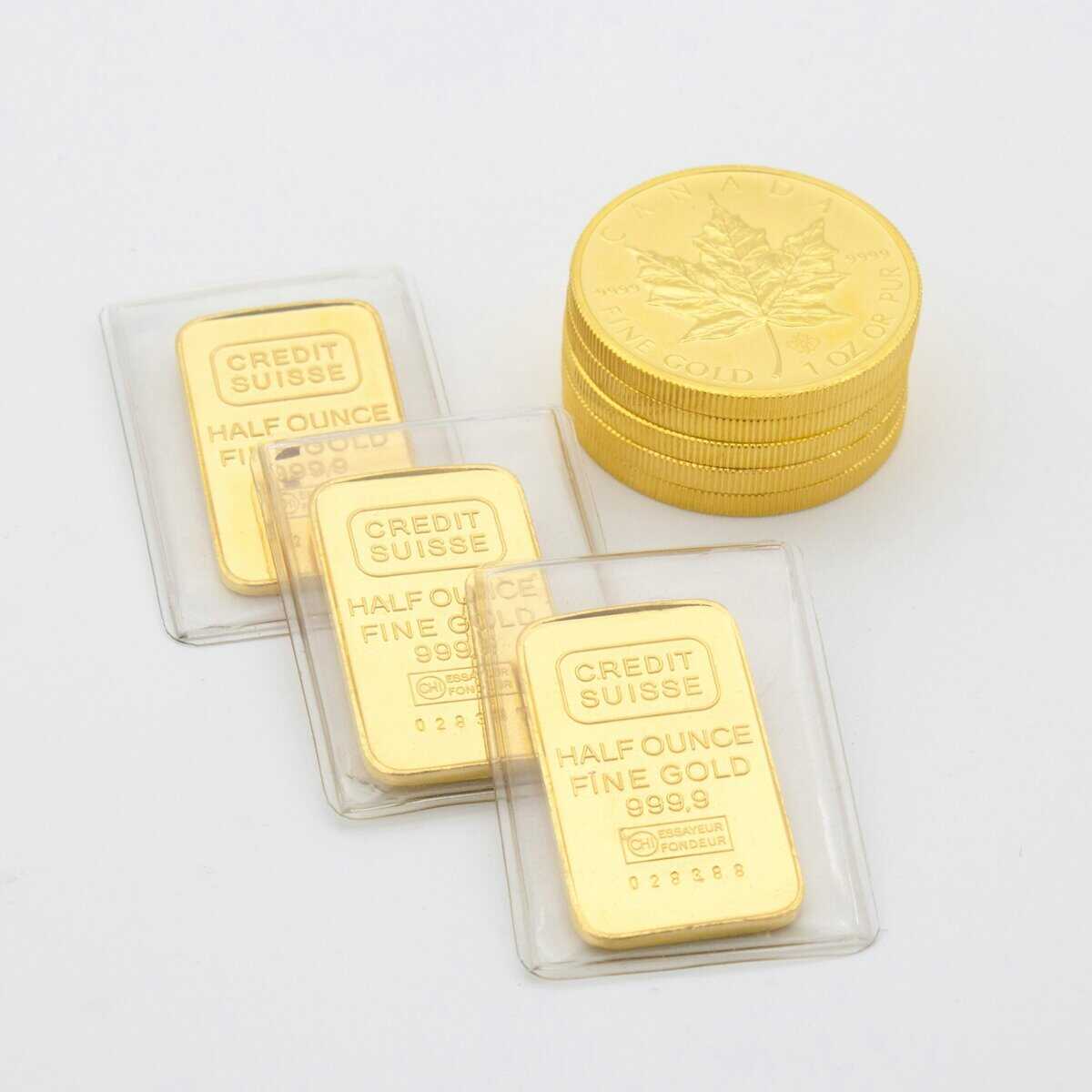
- Gold bars and rounds (1/10 oz, 1/4 oz, 1/2 oz, 1 oz)
- 1/3 oz Gold Britannia Coin (exclusive product from a U.S. Mint and Royal Mint collaboration)

Silver
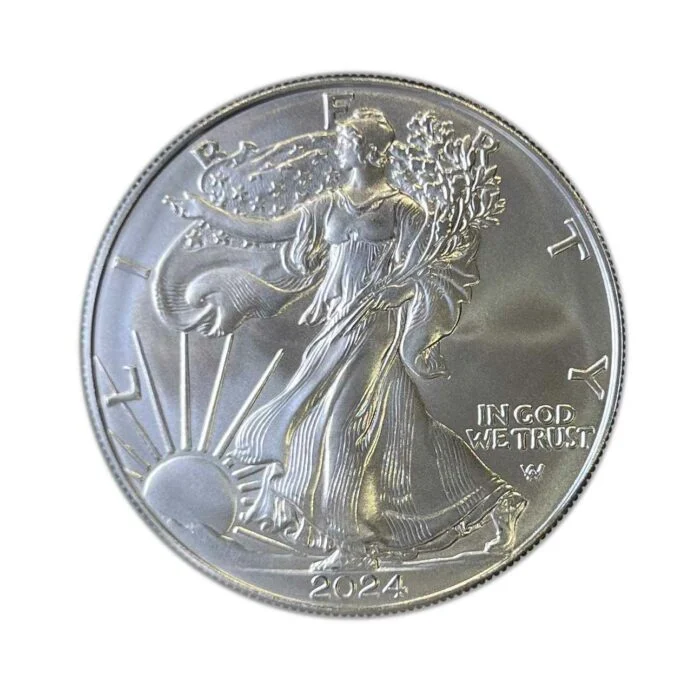
- American Silver Eagles (bullion and proof versions)
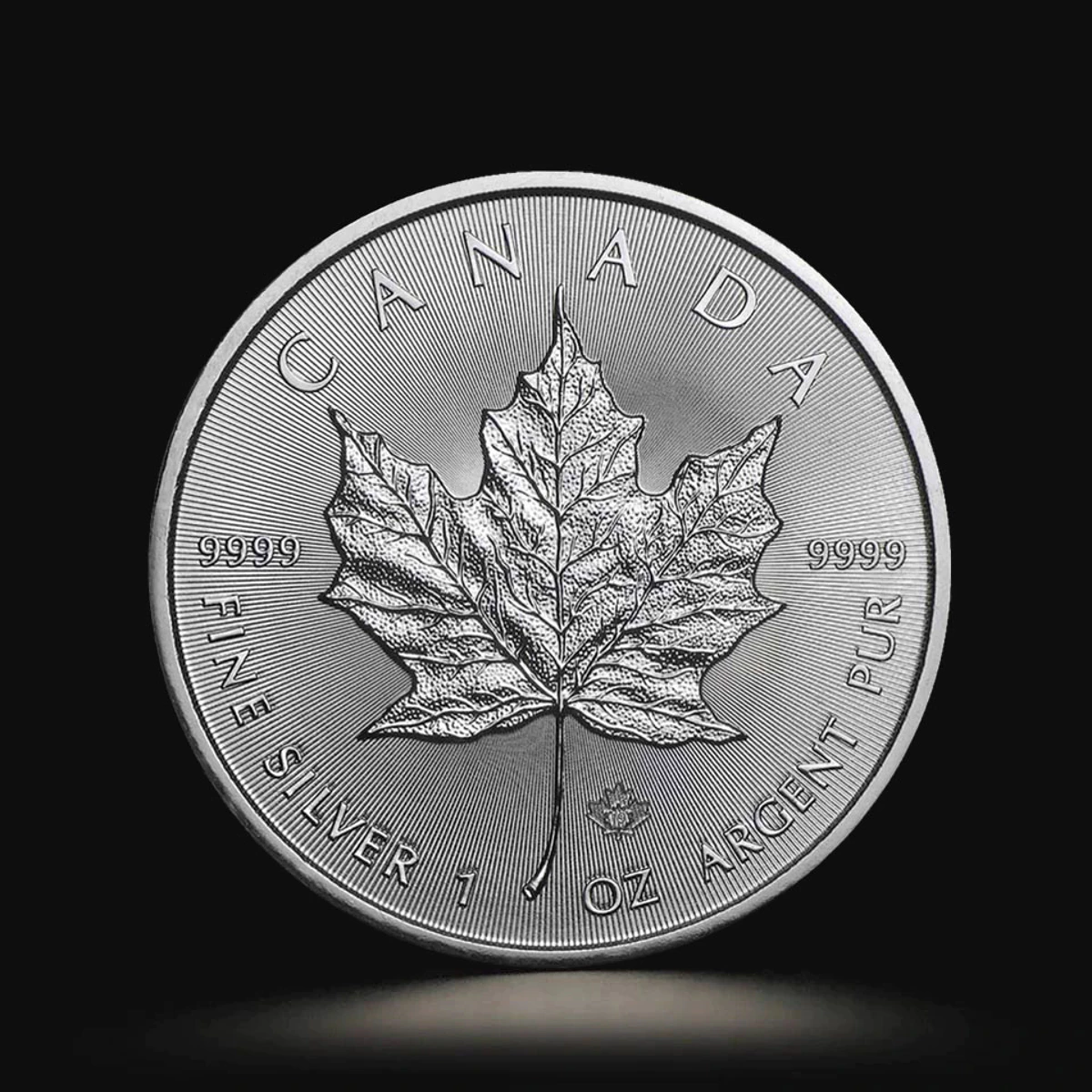
- Canadian Silver Maple Leafs
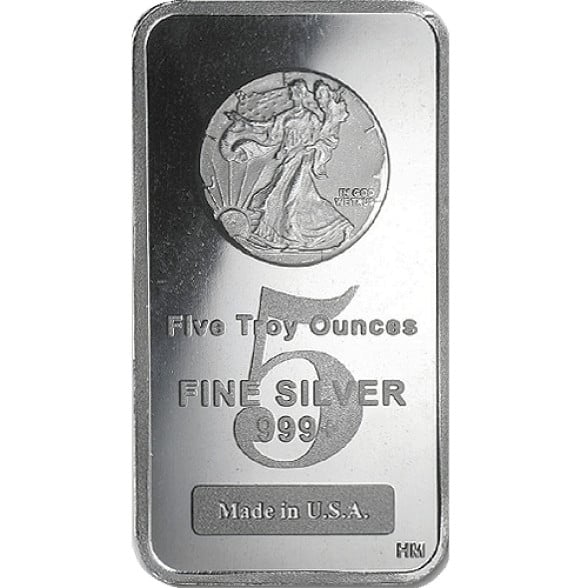
- Silver bars and rounds (1 oz, 5 oz, 10 oz, 100 oz)
Platinum and Palladium
- Platinum American Eagles, bars, and rounds
- Palladium Canadian Maple Leafs, bars, and rounds

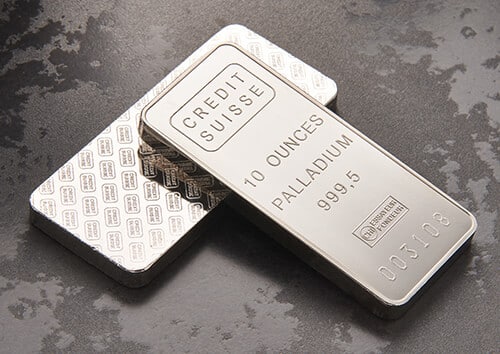
Copyrights image : Monex
Bullion vs. Premium Coins: Understanding the Markup
Standard bullion products trade close to spot price with relatively modest premiums. These are the workhorse products for most precious metals IRAs, high purity, highly liquid, and cost-efficient.
Premium or semi-numismatic coins carry significantly higher markups. These might be limited mintage releases, commemorative designs, or historically significant pieces. The pitch is that they could appreciate beyond just metal value due to collectible demand.
Here is the reality: premium coins sometimes do appreciate more than bullion. But they also carry higher upfront costs, lower liquidity, and depend on collector markets that can be unpredictable. For most customers building a precious metals IRA for diversification and inflation protection, bullion may make more sense. Premium coins are for people who understand numismatics and accept the additional risk.
Some customer complaints about Birch Gold center on feeling pressured toward premium products. If you work with this company, be clear about your goals from the start. If you are building an inflation hedge, say so explicitly and push back if the conversation drifts toward collectibles you did not request.
| Company | Min. | Setup | Annual Fee | Metals | BBB | Founded |
|---|---|---|---|---|---|---|
| Birch Gold Group REVIEWED | $10,000 | $50 + $30 | $200/yr flat | All 4 ✔ | A+ | 2003 |
| Augusta Precious Metals | $50,000 | $50 | $225/yr | Gold, Silver | A+ | 2012 |
| American Hartford Gold | $10,000 | $0 | $175-$250/yr 1st yr waived |
Gold, Silver | A+ | 2015 |
| Goldco | $25,000 | $50 + $30 | See fee statement | Gold, Silver | A+ | 2006 |
| Noble Gold | $20,000 | $0 | $230/yr | All 4 ✔ | A+ | 2016 |
| Advantage Gold | ~$5,000 | $50 | $195-$375/yr | All 4 ✔ | A+ | 2014 |
| GoldenCrest Metals | $10,000 | $50 | $199/yr Up to 10 yrs waived |
Gold, Silver | A- | 2023 |
The Cost Structure: What You'll Actually Pay
Birch Gold uses a flat-fee model, which is good news for larger accounts. Here is the breakdown:
Initial Setup (One-Time)
Account setup: $50
Wire transfer: $30
Total: $80
Annual Fees (Every Year After)
Storage and insurance: $100
Account administration: $100
Total: $200/year
For accounts above $50,000, first-year fees are typically waived. The company also runs periodic promotions offering up to $10,000 in free silver for qualifying purchases, though exact terms vary and minimum thresholds apply.
The minimum purchase is $10,000, which is lower than many competitors requiring $20,000 to $25,000 to start.
The Real Cost: Product Premiums
Where pricing gets less transparent is in product premiums, the markup over spot price. Birch Gold doesn't publish live pricing online, so you won't know the exact premium until you're on the phone with a representative.
This is standard practice in the industry, but it creates information asymmetry. The spot price of gold is public information. The premium Birch Gold charges is not. That makes comparison shopping harder.
Customer reviews suggest bullion premiums are generally reasonable, but premium coin markups can be substantial. Before completing any purchase, ask for a written breakdown showing:
- Current spot price
- Exact premium percentage
- Total cost per ounce
Then compare this with quotes from at least two other dealers. If the representative balks at providing written pricing details, that's a red flag.
Storage and Security: Where Your Metals Actually Go

IRS rules require precious metals in an IRA to be held by an approved custodian at an approved depository. You cannot store them at home and maintain a tax-advantaged status.
Birch Gold partners with several established depositories:
- Delaware Depository (Wilmington, DE and Seal Beach, CA): One of the most commonly used facilities for precious metals IRAs. Offers up to $1 billion in insurance coverage.
- Brink's Global Services (New York, Los Angeles, Salt Lake City): The brand name most people recognize. Provides both segregated (your metals are separately stored and identified) and commingled (your metals are pooled with others but you own a specific quantity) options.
- International Depository Services (IDS): Offers segregated storage with competitive pricing.
- Texas Precious Metals Depository: Newer facility, established 2018, that has become one of the largest in Texas by asset value.
All facilities provide insurance, and you can typically choose between segregated and commingled storage. Segregated costs slightly more but gives some customers peace of mind knowing their specific coins and bars are separately held.
Note: For metals purchased outside an IRA for personal ownership, Birch Gold does not provide storage. You are responsible for arranging a safe deposit box, private vault, or home storage, though the company advises against home storage for security reasons.
Customer Reviews: What People Actually Say
Birch Gold maintains strong ratings across multiple platforms:
BBB: A+ rating, 4.5/5 stars (197 reviews)
Google Reviews: 4.7/5 stars (383 reviews)
ConsumerAffairs: 5.0/5 stars (172+ reviews)
Trustpilot: 4.5/5 stars (217 verified reviews)
TrustLink: 5.0/5 stars (135 reviews)
This consistency across independent platforms is unusual in the precious metals industry, where review manipulation and aggressive sales tactics are common.
Our Take on the Reviews
The review profile suggests a company that performs well for most customers, especially those who value education and guided support. The complaints about sales pressure are worth noting, though they appear to be exceptions rather than the norm.
If you are concerned about this, establish clear boundaries in your first conversation: "I am interested in standard bullion products for diversification purposes. I am not interested in premium or collectible coins." A good specialist will respect that. If they do not, end the call and work with a different company.
Customers complaints
With strong ratings across all major platforms, Birch Gold's complaint volume is low relative to its customer base. Negative feedback is rare but consistent across a few specific themes.
Sales pressure toward premium coins. Some customers report feeling steered toward specialty or semi-numismatic coins with markups of 15-25% above spot price. This is the most common complaint and is worth taking seriously. The solution is simple: tell your specialist from the first call that you are only interested in standard bullion products. If the conversation drifts toward collectibles, redirect it firmly.
Transfer and rollover delays. A small number of customers report rollover timelines longer than the typical 2 to 3 weeks, sometimes due to delays on the existing custodian's side rather than Birch Gold. Set clear expectations at the start and ask for regular status updates.
Phone-only purchasing. Customers who prefer fully digital, self-service platforms find the phone-based model frustrating. This is a structural limitation of the business, not a complaint about service quality. If you require online checkout and live pricing, Birch Gold may not be the right fit.
Bottom line: Birch Gold's complaint profile is consistent with a legitimate company operating at scale. The issues that appear are mostly manageable with clear communication from the start.
Birch Gold vs. Other Gold IRA Companies
Birch Gold Group vs. Augusta Precious Metals
Augusta requires a $50,000 minimum, five times higher than Birch Gold's $10,000. Birch Gold charges $200 per year flat versus Augusta's $225. Birch Gold offers all four metals while Augusta focuses on gold and silver. Augusta has a more structured education process including a mandatory one-on-one web conference with a Harvard-trained economic analyst, and an outstanding BBB record with near-zero unresolved complaints. Birch Gold is the better choice for customers with accounts under $50,000 or those wanting platinum or palladium. Augusta is better for customers with $50,000 or more who want the most structured education in the industry.
Birch Gold Group vs. Goldco
Both companies were founded in the early 2000s and have comparable reputations, but Goldco has significantly higher review volume (7,300+ vs approximately 1,100). Goldco's minimum purchase is $25,000 versus Birch Gold's $10,000. Birch Gold charges $200 per year flat, which may be slightly cheaper depending on Goldco's custodian fee structure. Birch Gold offers all four metals while Goldco is limited to gold and silver coins only. Choose Birch Gold if you want platinum or palladium, or if your account is between $10,000 and $25,000. Choose Goldco if review volume and track record in guided rollovers are your top priorities.
Birch Gold Group vs. Advantage Gold
Both companies offer all four IRS-approved metals, making this the most direct comparison. Advantage Gold has a lower minimum at approximately $5,000 versus Birch Gold's $10,000, and processes buybacks faster at 24 hours versus Birch Gold's 5 to 10 business days. Birch Gold has a longer track record at 20+ years versus Advantage Gold's 10, and a simpler flat-fee structure at $200 per year versus Advantage Gold's variable $195 to $375 depending on custodian. Choose Advantage Gold if your account is under $10,000 or you prioritize faster buyback processing. Choose Birch Gold if you want the longer operating history and a predictable flat annual fee.
You can also find our Noble Gold review here, and a comparison between Augusta and GoldCo.
Choose Augusta if: you have $50,000 or more and want the most structured education program in the industry.
Choose Goldco if: review volume and track record in guided rollovers are your top priorities.
Choose Advantage Gold if: your account is under $10,000 or you need faster buyback processing.
Education and Resources: Beyond the Sales Pitch
One area where Birch Gold genuinely differentiates itself is customer education. The company's website includes:
Detailed articles on precious metals IRAs, inflation hedging strategies, and specific product spotlights, practical guides covering self-directed IRA mechanics, storage options, and home storage risks, market commentary with weekly updates and historical price charts, and expert interviews with figures like Steve Forbes and Peter Schiff discussing macroeconomic trends.
This content is more substantive than the typical dealer blog that exists primarily for SEO. Whether you end up working with Birch Gold or not, the educational resources are genuinely useful for understanding how precious metals fit into a retirement portfolio.
The company also produces a regular newsletter tracking economic indicators, Fed policy, and their potential impact on gold and silver prices. If you are the type of person who wants to understand the "why" behind a purchase, not just the "what," this approach will resonate.
Is Birch Gold Group Legitimate?
Birch Gold Group is a legitimate, established precious metals company with over two decades of continuous operation, strong regulatory credentials, and consistently positive customer feedback.
The company's strengths, including experienced specialists, educational resources, flat-fee pricing, and rollover support, make it a solid choice for customers who have decided precious metals belong in their retirement portfolio and want professional guidance through the process.
The limitations, including no online pricing, phone-based transactions only, and occasional premium coin sales pressure, are manageable if you know what to expect and establish clear boundaries.
What Birch Gold Doesn't Tell You (But Should)
Every company has incentives that don't perfectly align with customer interests. Here are realities that Birch Gold's specialists may not emphasize:
Premium Coins Have Higher Margins
There is a reason some representatives push premium or semi-numismatic coins: the dealer margins are substantially higher. A standard American Gold Eagle might carry a 3-5% premium over spot, while a limited-edition commemorative coin might carry a 15-25% premium.
The pitch is that collectible value will appreciate beyond metal content. Sometimes this happens. Often it doesn't. Unless you are knowledgeable about numismatics and have specifically decided you want collectible exposure, stick with standard bullion.
Storage Fees Continue Even If Gold Prices Fall
The $200 annual fee remains constant whether your metals are worth $50,000 or $30,000. If gold prices decline significantly, the fee as a percentage of your account value increases proportionally. Over a prolonged precious metals bear market, these fees become more burdensome.
Liquidation Takes Time
Unlike selling stocks, which happens instantly, liquidating precious metals requires coordination with your custodian and the dealer. The process typically takes 5 to 10 business days from initiating a sale to receiving funds. In a financial emergency, this lag could be problematic.
The Company Profits From Volatility
Precious metals dealers benefit when customers are concerned about markets. During periods of uncertainty, gold demand may spike, and companies like Birch Gold could see increased business. This creates an incentive to emphasize economic risks and downplay periods of stability.
This doesn't make their educational content wrong, macroeconomic risks are real, but it's worth remembering that their business model depends on customer concern. Maintain perspective and avoid making fear-based decisions.
So, should you invest?
Birch Gold Group has earned its position as one of the established names in precious metals IRAs through consistent operation, strong customer service, and genuine educational content. For customers who value guidance over pure self-service and understand the cost-benefit tradeoff of phone-based transactions, it is a legitimate option worth serious consideration.
Precious metals IRAs involve real costs, require long-term commitment, and serve specific portfolio purposes rather than functioning as general-purpose holdings. The economics may make sense for customers who:
Have substantial savings (ideally $50,000 or more) where flat fees remain proportionally reasonable, plan to hold for at least 5 to 10 years to absorb upfront costs and allow metals time to potentially appreciate, understand they are accepting some reduction in liquidity and ongoing fees for physical ownership, have already maximized more efficient tax-advantaged accounts, and view precious metals as portfolio diversification rather than primary growth drivers.
If you are exploring Gold IRAs, requesting Birch Gold's free information kit costs nothing and gives you a baseline for comparison. Education should empower you to make informed decisions, not pressure you into immediate action.
Take your time, compare multiple providers, consult independent financial advice, and proceed with clear goals and realistic expectations. Done thoughtfully, precious metals could play a stabilizing role in a retirement portfolio, but only if you work with companies that prioritize your interests alongside their own.