Why Does Gold Maintain Its Value Over Time?

Key Takeaways
Why Does Gold Maintain Its Value Over Time?
Top-Rated Gold IRA Companies Compared
Gold maintains its value over time because of a rare combination of factors: its natural scarcity and finite supply, its physical durability (it does not corrode or decay), its universal acceptance across cultures and eras, and its ongoing demand in both investment and industry. Unlike fiat currency, gold cannot be printed at will, which protects it from devaluation.
Gold has stood as a symbol of wealth, stability, and security for centuries, and its enduring value is no coincidence. Since ancient times, it has been used in trade, decoration, art, and scientific applications. But what exactly makes this metal so unique?
The answer is a combination of well-documented, scientifically grounded reasons. In any economy, no good has intrinsic value entirely on its own; value is attributed based on specific properties and conditions. In gold's case, those properties are unusually strong and consistent.
This article explores the unique properties, historical context, and modern applications that solidify gold's status as one of the most valuable assets in human history.
The Unique Properties of Gold
So why is gold so unique and precious, and why does it hold its value over time? To answer precisely, we need to look at the specific features that set gold apart from other precious metals.
For more on how these qualities translate into a retirement context, see our articles on gold as an investment and the role of gold in an IRA.
Durability and Resistance
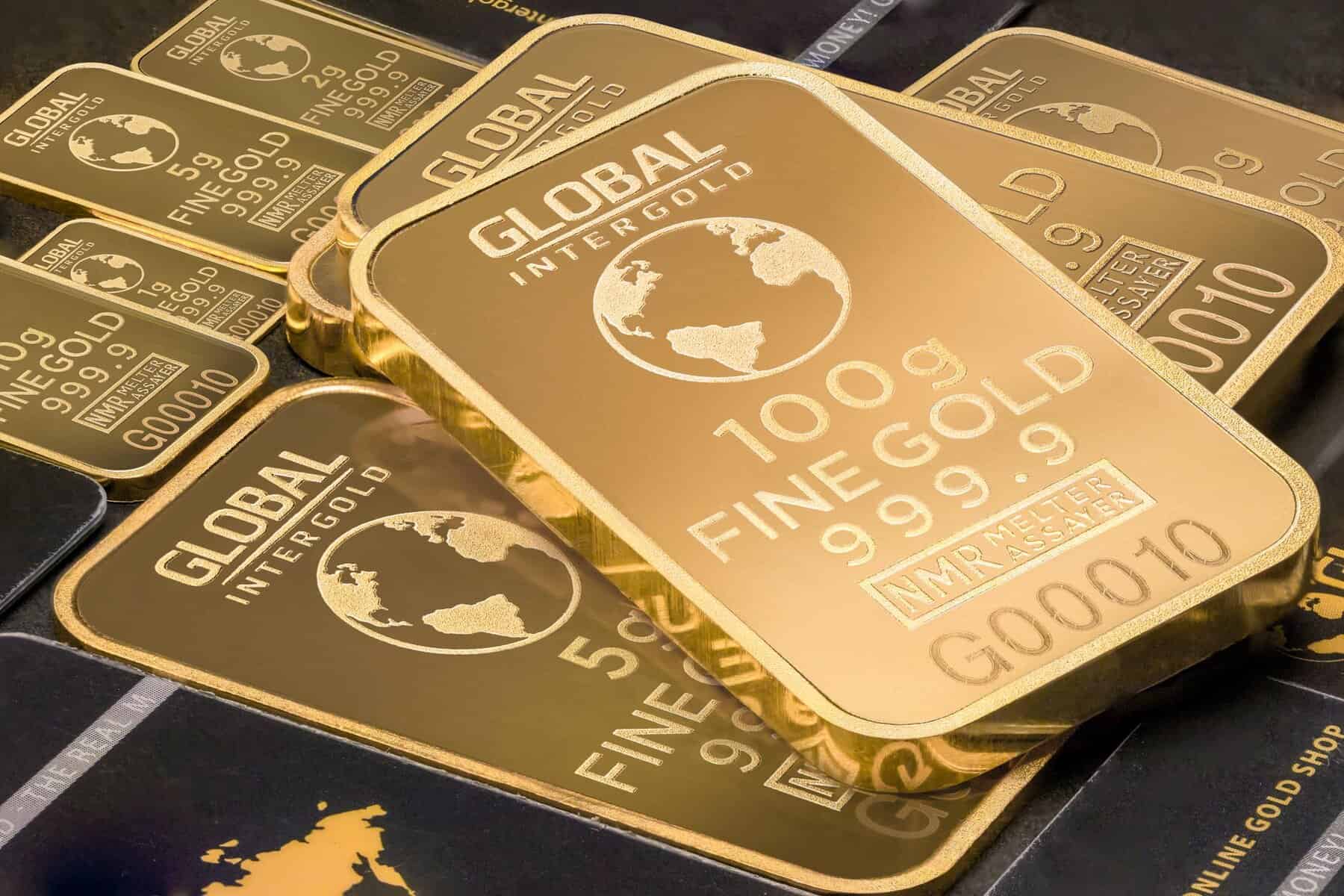
Gold’s intrinsic qualities make it unparalleled among natural elements. Its rarity ensures that it remains a finite resource, inherently limiting supply.
Furthermore, this metal is incredibly durable; it does not corrode, tarnish, or decay, making it a perfect store of value that can last for generations. This permanence makes it a key choice for preserving wealth over centuries, a factor that has solidified its reputation.
Malleability and Ductility
Another remarkable property is its malleability and ductility. Gold can be molded into intricate designs or stretched into thin wires without losing its integrity.
In fact, for these characteristics, crafters have made it a favorite for crafting jewelry, coins, and bars.
Additionally, its excellent conductivity makes it indispensable in modern technologies, including advanced medical devices and aerospace applications. It is this versatility that ensures its continual demand in both traditional and innovative industries.
Visual and Aesthetic Appeal
Gold’s rich, lustrous appearance also contributes to its desirability. Its unmistakable color and shine have made it a symbol of status and luxury in cultures worldwide. Unlike other metals, gold requires minimal maintenance to retain its beauty, making it a timeless asset for artistic and ornamental purposes.
Cultural and Historical Significance
Gold is valued not only for its chemical and physical properties, but also for the meaning attributed to it throughout history. Past civilizations used gold for trade, as a symbol of wealth, and as a way to guarantee value in every exchange. But why is that?
Gold Across Civilizations
Gold's history is deeply intertwined with human civilization. Ancient Egyptians regarded it as the metal of the gods, while the Roman Empire used it to help stabilize its economy. During the Renaissance, gold played a pivotal role in global exploration and trade, forming the foundation of wealth for empires.
The transition to modern economies has not diminished its cultural significance; if anything, it has expanded, as gold continues to symbolize prosperity and achievement across nations.
Even today, despite the rise of technology, cryptocurrencies, and luxury goods used as stores of value, gold remains an evergreen source of worth, a continuity that speaks to just how deeply rooted its value is.
Religious and Symbolic Value
Gold has also held spiritual and symbolic importance. From the sacred temples of India adorned with gold to the artifacts found in the burial sites of ancient Egyptian leaders, its association with the divine and the eternal has been consistent throughout the centuries.
This deeply rooted cultural value adds another dimension to why gold retains its significance over time. It is not only a symbol of wealth, but also one of spirituality and permanence.
Safe Haven Asset
In times of financial instability, gold's role as a safe haven becomes clear. Many people rely on it to hedge against inflation, currency devaluation, and market volatility.
Historical data shows that gold's value often rises during economic downturns, reinforcing its reputation as a reliable store of wealth. This behavior has been consistent even in recent economic crises, making it a cornerstone of many financial strategies.
Economic data shows how demand for gold rose sharply during the 2008 financial crisis. This pattern illustrates how people tend to move toward gold when confidence in other assets weakens, seeking stability and protection for their wealth.
Gold in the Modern Economy
Financial Markets and Reserves
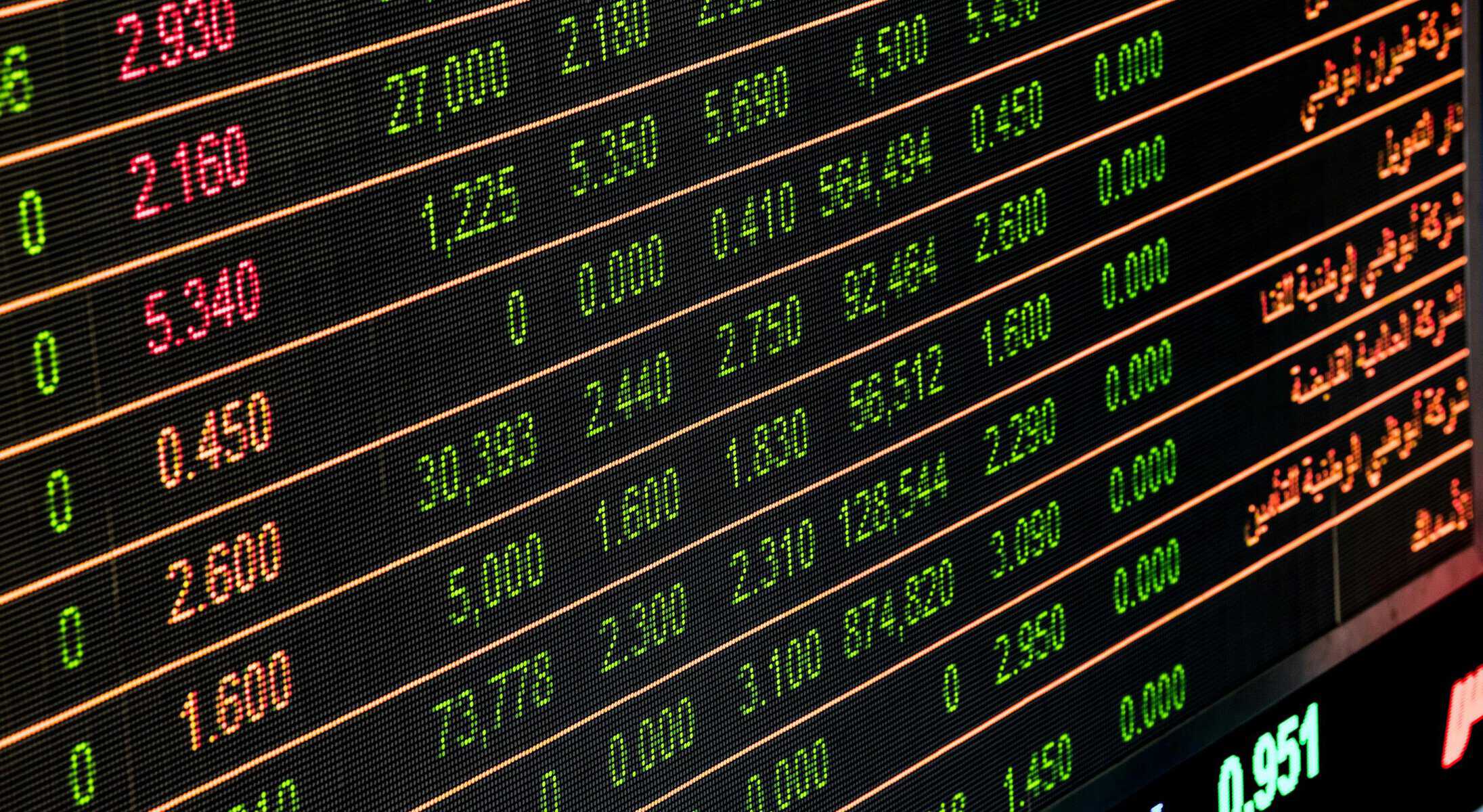
Gold's influence extends well beyond physical possession. It underpins global financial markets and serves as a reserve asset for central banks. Many governments, including the United States, maintain substantial gold reserves as a hedge against economic uncertainty.
Gold-backed securities and ETFs also offer a more accessible way to benefit from gold's stability. These instruments have effectively democratized access to gold, allowing participation from people who might not otherwise hold physical metal.
Industrial Applications
Beyond its role as a store of value, gold's practical applications enhance its worth. Its superior conductivity and resistance to tarnish make it indispensable in electronics, aerospace, and medical devices.
Gold is used in high-performance technology, including satellites, advanced surgical tools, and energy-efficient circuitry. This broad range of applications ensures its continued relevance in evolving industries and maintains steady demand.
Environmental and Ethical Considerations
The sourcing and sustainability of gold are gaining attention in the modern economy. Gold mining has often been associated with exploitative practices in some developing countries.
Ethical mining and recycling initiatives are becoming increasingly important in the industry. This shift addresses environmental concerns while also helping gold retain its value in a more socially conscious market.
As this collective environmental awareness continues to grow, mining practices are likely to become progressively more ethical and sustainable over time.
The Gold Standard and Its Legacy
The gold standard is a topic worth covering, as it shaped much of the economic history of the last two centuries.
Under the gold standard, a country's currency was directly linked to gold. Widely adopted during the 19th and early 20th centuries, it required governments to hold gold reserves equal to the value of the currency they issued. This provided stability and confidence in global trade, since paper money could be converted into a fixed amount of gold on demand.
The classical gold standard was gradually abandoned over the 20th century, and in 1971 the United States ended the direct convertibility of the dollar to gold, bringing the Bretton Woods system to a close. Even so, its legacy remains significant.
The gold standard established gold as a benchmark for economic stability and reinforced its status as a universal store of value. Its historical role continues to influence monetary policy and the perception of gold as a hedge against inflation and currency devaluation.
Why Does Gold Retain Its Value?
Scarcity, Perception, and Practicality
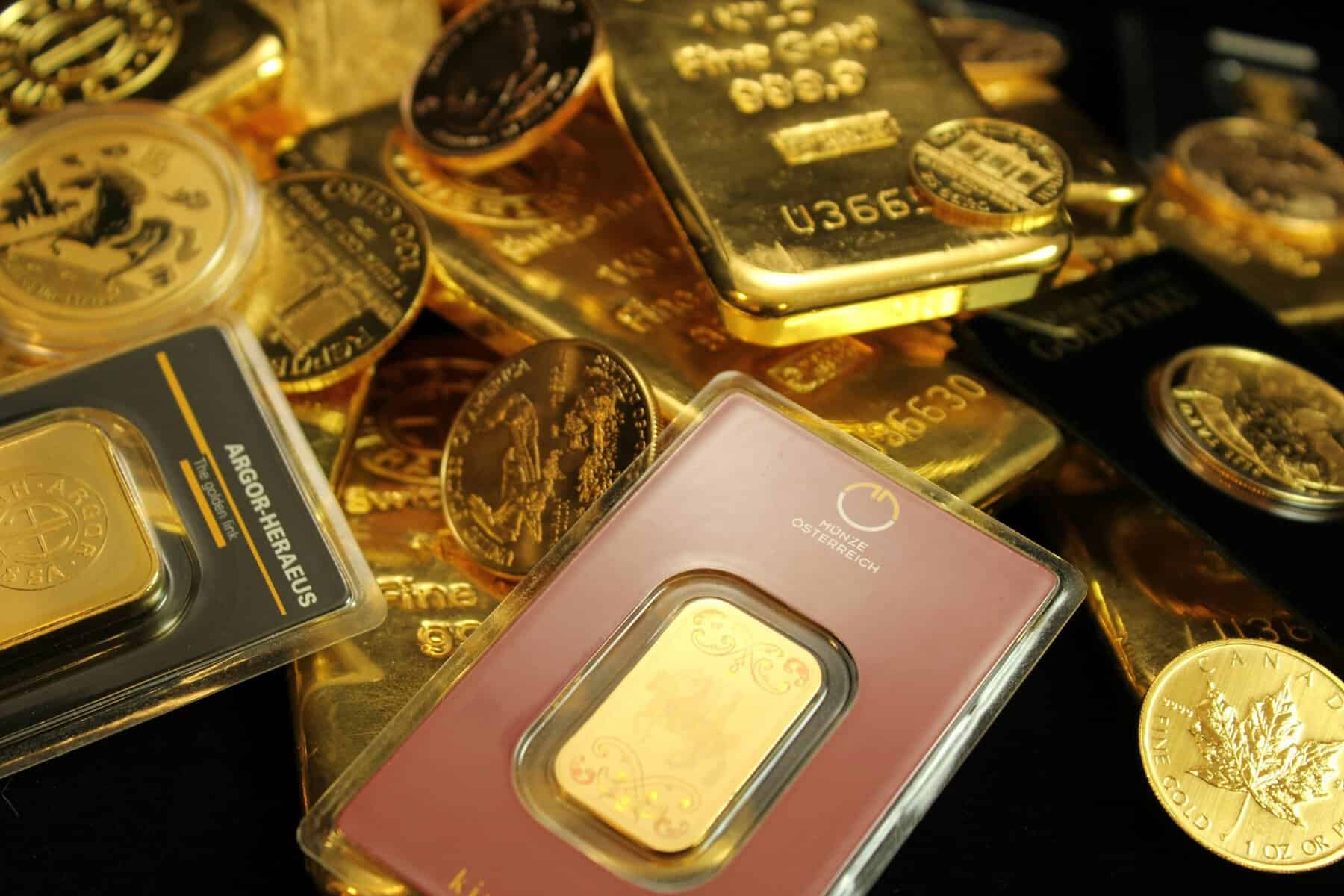
Gold's value is rooted in its scarcity, durability, and cultural significance. Unlike fiat currencies that can be printed at will, gold's supply is inherently limited, which supports its resilience against inflation.
Its universal acceptance as a medium of exchange, combined with its wide range of practical uses, gives it enduring relevance across generations. Because the available supply grows only slowly, gold remains naturally scarce and consistently valued.
Inflation Hedge and Wealth Preservation
Gold has consistently acted as a hedge against inflation. Its purchasing power tends to remain stable over time, helping protect wealth during periods of economic instability. This attribute reinforces gold's role as a cornerstone of financial security. Its ability to retain value even as currencies lose theirs makes it a valuable tool for preserving wealth over the long term.
Global Acceptance and Market Liquidity
One of the most notable aspects of gold is its universal recognition. Across the globe, gold is accepted as a medium of exchange and a reliable store of value. Its liquidity means it can be traded almost anywhere, providing exceptional flexibility to individuals and institutions alike.
So why should you consider Gold as an investment?
Gold's enduring value is rooted in its unique physical properties, its deep historical significance, and its practical applications in science and technology.
It has served as a reliable store of wealth from ancient civilizations to modern economies, maintaining its relevance despite profound economic change. Understanding why gold holds its value offers valuable insight into its role in the global financial system and why it remains an important asset for individuals and institutions alike.
With its combination of cultural significance, industrial utility, and economic stability, gold continues to stand out as a remarkable resource. If you are considering holding gold as part of a retirement strategy, see our guide to the best Gold IRA companies to learn how to get started.