How to Identify Real Gold: A Complete Guide to Quality Testing
Advertising disclosure: BestGoldMoney is reader-supported. We earn a commission when you request information through the links below, at no cost to you. Our Featured Partner placement reflects a commercial arrangement and sits outside the editorial ranking. Editorial ratings are assigned using our published rating methodology.
Our Editorial Ranking by rating
Ratings reflect our assessment of fee transparency, minimum purchase, metals offered, storage options, BBB rating, buyback terms and years in business. Fees and promotional terms change without notice — confirm all terms directly with each provider before purchasing. This content is for general information only and is not investment, tax or legal advice.
Knowing how to identify real gold is essential for buyers and enthusiasts alike. The most reliable methods include the density test (pure gold measures about 19.32 g/cm³), the magnet test (gold is non-magnetic), the ceramic streak test, acid testing, checking hallmark stamps, and professional XRF analysis for full certainty.
With many imitation products on the market, understanding these methods can save you from costly mistakes, whether you are buying jewelry, coins, or bars, or simply verifying the authenticity of a piece.
This is especially important if you are rolling savings into a Gold IRA account, where knowing exactly what you are purchasing helps you avoid scams.
In this guide, we walk through each test you can perform to determine whether your gold is genuine or fake. You will also learn how US purity standards compare to those in the EU, and how to make a responsible purchase before buying this enduring precious metal.
Top Methods for Testing Gold Purity at Home
The density test is one of the most reliable methods to determine the purity of gold.
Pure gold has a density of approximately 19.32 g/cm³, which is significantly higher than most metals used in counterfeit items. Therefore, this test will help you determine the purity of gold, and you will be able to distinguish it from imitations.
It is a test everyone can literally do at home, even if you don't have specific competencies and in-depth knowledge about precious metals. Here’s how to perform the test:
Weigh the gold item in the air using a precise digital scale
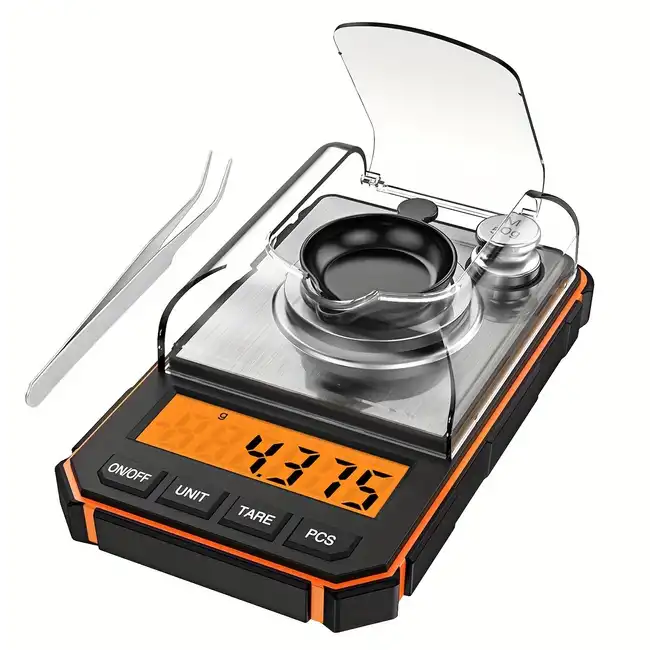
The first step in testing the purity of gold involves using a precise digital scale to measure the weight of the gold item in air. This weight measurement must be accurate, as it will serve as the basis for calculating the item's density
Weighing the Gold in Water (or another liquid)
Submerge the item in water and measure the volume of water displaced. After weighing the gold in the air, the next step is to weigh it while it is fully submerged in water.
In fact, this is typically done by suspending the gold item in water using a fine thread or placing it in a container of water, while ensuring the scale only measures the item itself and not the container or any support.
This submerged weight will be slightly less than the weight in air due to the buoyant force of the water acting on the gold.
Calculate the Density and compare with the density of pure gold
Now that you have all the data, you are ready to make your calculations. The density of the gold is then calculated using the formula:

The density of pure gold is approximately 19.32 g/cm³. The calculated density of your gold item can be compared with this standard. If the density matches closely to 19.32 g/cm³, the gold is likely pure. If it is significantly lower, the gold may be alloyed with other metals, reducing its purity.
Magnet Test for Gold Purity
Since gold is non-magnetic, it does not attract or react to a magnet. This property makes for a simple, quick way to check whether an item is genuine. The magnet test is useful for identifying items falsely claimed to be gold but actually made of magnetic metals such as iron or nickel, or of alloys containing them. It requires no special skills and poses no risk to the item.
To perform the test, you need a strong magnet, such as a neodymium magnet, which is far more powerful than a standard refrigerator magnet. Hold it close to the gold item without touching it and observe the reaction:
No Attraction: If the item does not respond, it could be gold or another non-magnetic material. This is a positive sign, but not conclusive proof of purity.
Attraction: If the item is drawn to the magnet, it is not pure gold. This strongly suggests it contains a magnetic metal, meaning it is either fake or an alloy that is not predominantly gold.
Ceramic Test for Gold Purity
The ceramic test is another practical way to check authenticity. It relies on the fact that gold is a soft metal and leaves a streak when rubbed against a rough surface such as an unglazed ceramic plate.
You will need an unglazed ceramic plate, available in most hardware stores. Gently rub the gold item across the surface:
- Gold Streak: If the item is real gold, it leaves a golden or yellow streak, consistent with gold's natural appearance.
- Other Streaks: If it leaves a black, green, or brown streak, it is likely not pure gold. These colors suggest another metal, or a gold-plated item where a thin layer of gold covers a base metal.
The test has some limitations to keep in mind:
- Potential Damage: Rubbing gold against ceramic can cause minor scratches, particularly on soft, high-purity gold, which is more malleable and can be marked in ways that are hard to remove.
- Inconclusive Results: A gold-colored streak indicates gold content but does not confirm purity, and items with thick plating may still leave a gold streak.
Combining the tests for more accuracy
To obtain a more reliable assessment of gold purity, it's best to combine the magnet and ceramic tests with other methods, such as the acid test, density test, or professional X-ray fluorescence (XRF) analysis.
This multistep approach helps mitigate the limitations of each test and provides a more comprehensive evaluation of the gold item’s authenticity.
Acid Testing
Acid testing is one of the oldest and most effective methods for assessing gold purity. The chemical reaction reveals a great deal about the quality of the item and helps confirm whether it is authentic. Here is how it works:
- Nitric Acid: Apply a small drop of nitric acid to a scratch made on the item. If the acid does not react, the gold is likely pure.
- Color Changes: A green reaction indicates a base metal beneath gold plating, while a milky reaction suggests a low-purity alloy.
For more precise results, a testing kit with different acids for different karat levels (such as 10K, 14K, and 18K) can determine the exact purity. Because nitric acid is corrosive and produces harmful fumes, always handle it with proper protection and adequate ventilation, or leave acid testing to a professional.
Understanding Markings and Stamps
Gold items are often stamped with markings that indicate purity, such as "24K," "18K," or "14K." You may also see millesimal fineness marks like "999" or "995," which express purity as parts per thousand. These provide a quick indication of quality, but they are not foolproof:
- Verification: Always confirm markings with additional tests, since counterfeit items may carry fake stamps.
- Common Markings: Beyond the karat number, look for hallmarks or manufacturer's marks that help authenticate the item's origin and quality.
Understanding these markings also offers insight into an item's origin, helping you distinguish genuine pieces from potential counterfeits. For IRA-eligible gold, the standard is a minimum fineness of .995, equivalent to 24K bullion-grade metal.
Professional Appraisal and Technological Advances
For high-value items or when you need absolute certainty, a professional appraisal is highly recommended. Modern technologies have made gold testing more accurate and accessible, and as technology progresses, new techniques continue to emerge:
- X-ray Fluorescence (XRF): This non-destructive method provides a detailed analysis of gold's composition, making it ideal for verifying the purity of coins, bars, and other items.
- Ultrasound Testing: This method uses sound waves to detect irregularities or impurities within the metal, offering an additional layer of security.
These technologies are especially useful for buyers and collectors who need to verify the authenticity and purity of their holdings.
Common Mistakes When Identifying Fake Gold
The market is full of gold-plated and counterfeit items that can deceive even experienced buyers, which is why it is important to develop the skills to tell real from fake. Many people have been scammed simply because they could not make this distinction, so it pays to know what to look for:
- Gold-Plated vs. Solid Gold: Gold-plated items have a thin layer of gold over a base metal that can wear off over time. Look for signs of wear, especially around edges and high-contact areas.
- Pyrite (Fool's Gold): Often mistaken for gold because of its similar appearance, pyrite is much lighter and more brittle, and lacks the density and softness of real gold.
The Importance of Buying from Reputable Sources
One of the best ways to ensure you are getting genuine gold is to buy from reputable, well-recognized dealers. Asking about the authenticity of an item before buying is a crucial step, and careful evaluation pays off. Two practices in particular help you avoid scams and low-value products:
- Certified Dealers: Look for dealers certified by recognized industry organizations. They are more likely to offer genuine products with proper documentation.
- Documentation and Receipts: Always insist on proper documentation, including receipts, certificates of authenticity, and any relevant appraisals. This helps verify quality and protects your purchase in case of future disputes.
For more on avoiding fraudulent sellers, see our guide on Gold IRA scams to avoid.
The Role of Technological Advancements in Gold Testing
As technology advances, so do the methods for testing and verifying gold. Two of the most advanced approaches available today are:
- Spectrometry: Modern spectrometry methods, including Photon Assay, allow for highly accurate, non-destructive testing. These technologies can detect even the slightest impurities and provide detailed reports on a sample's composition.
- Market Trends: With growing demand for gold, particularly in the electronics and jewelry industries, the market for gold testing is expected to expand. Staying informed about the latest developments can help you make better decisions when buying or selling.
Final Thoughts
Evaluating gold quality requires a combination of traditional techniques and modern technology. By applying the tests described above, you can gain a thorough understanding of an item's authenticity and purity. For high-value pieces or whenever you are in doubt, consider consulting a professional. Staying informed and vigilant is key to making sound decisions in the gold market.
This approach helps you navigate the complexities of gold evaluation and ensures that your purchases are genuine. Gold can be a valuable asset for those looking to diversify and add a potential hedge against economic uncertainty, though like any asset, its price can fluctuate.
If you are interested in holding gold within an IRA, our full guide walks through how it works. For help choosing a provider, see our guide to the top-rated Gold IRA companies.
This content is for general informational purposes only and does not constitute investment, tax or legal advice. Consult a licensed professional before making retirement account decisions.